HomeGemstones › Tanzanite
💎 Valuation guide

Tanzanite: price and value per carat

Tanzanite is the blue-violet variety of zoisite, found in only one place on Earth — near Mount Kilimanjaro in Tanzania. Its single source makes it rarer than diamond.
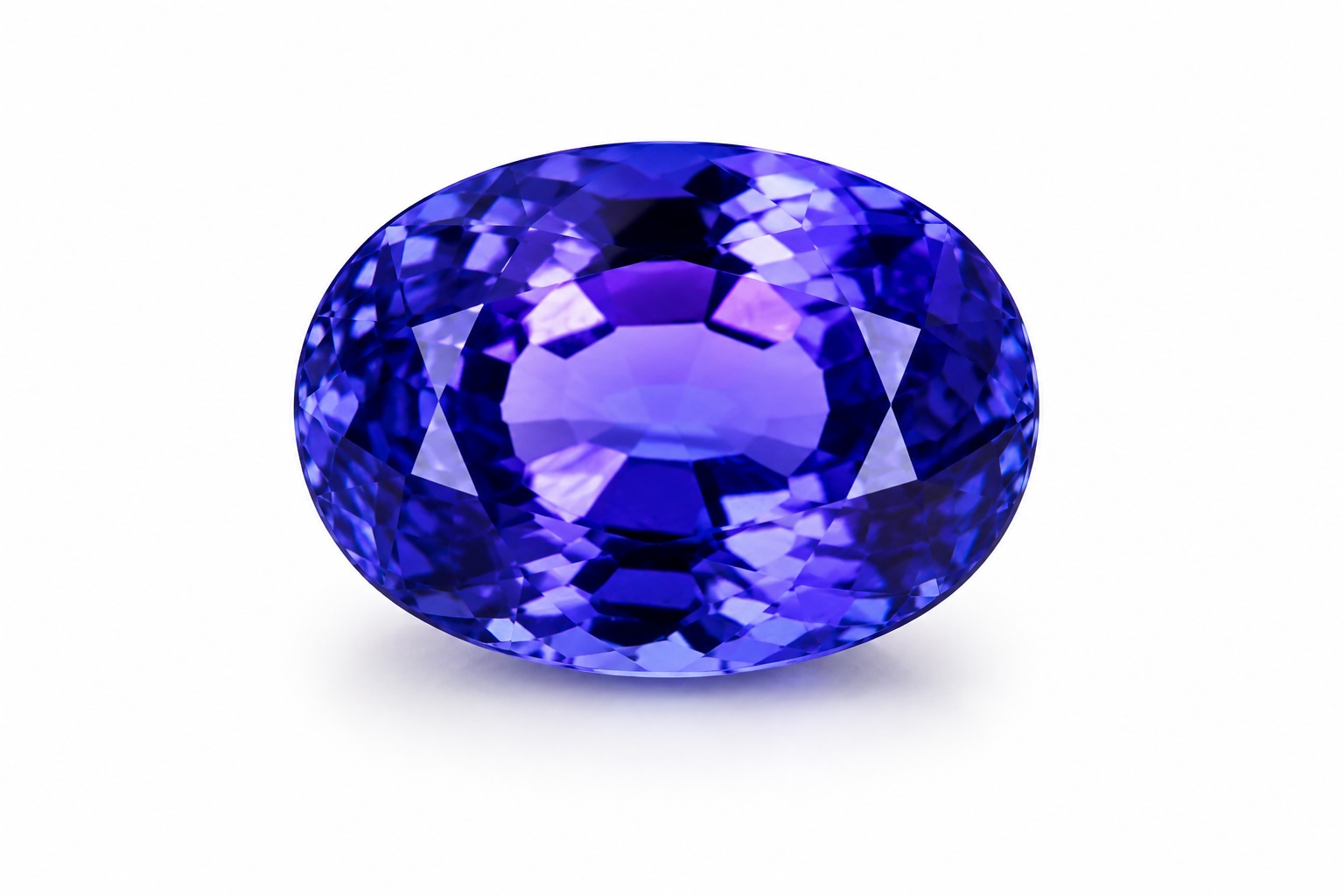
Tanzanite gemstone
$100 – $2,500+indicative range / carat
Family
Zoisite (blue-violet)
Hardness (Mohs)
6.5–7/10 — careful wear
Colors
Blue to violet, pleochroic
Top origins
Tanzania (Merelani) — only source
Varieties

The different types of tanzanite

Tanzanite is graded on the richness of its blue-to-violet color, which intensifies with size.

Vivid blue tanzanite
Most prized

Vivid blue tanzanite

A deep, saturated violetish-blue (trade grade "AAA"/"Exceptional") is the most valuable, often seen only in larger stones.

$600 – $2,500+ /ct
Popular

Blue-violet tanzanite

The classic balanced color seen in most jewelry; excellent value with lovely pleochroism.

$200 – $700 /ct
Light / lavender tanzanite
Affordable

Light / lavender tanzanite

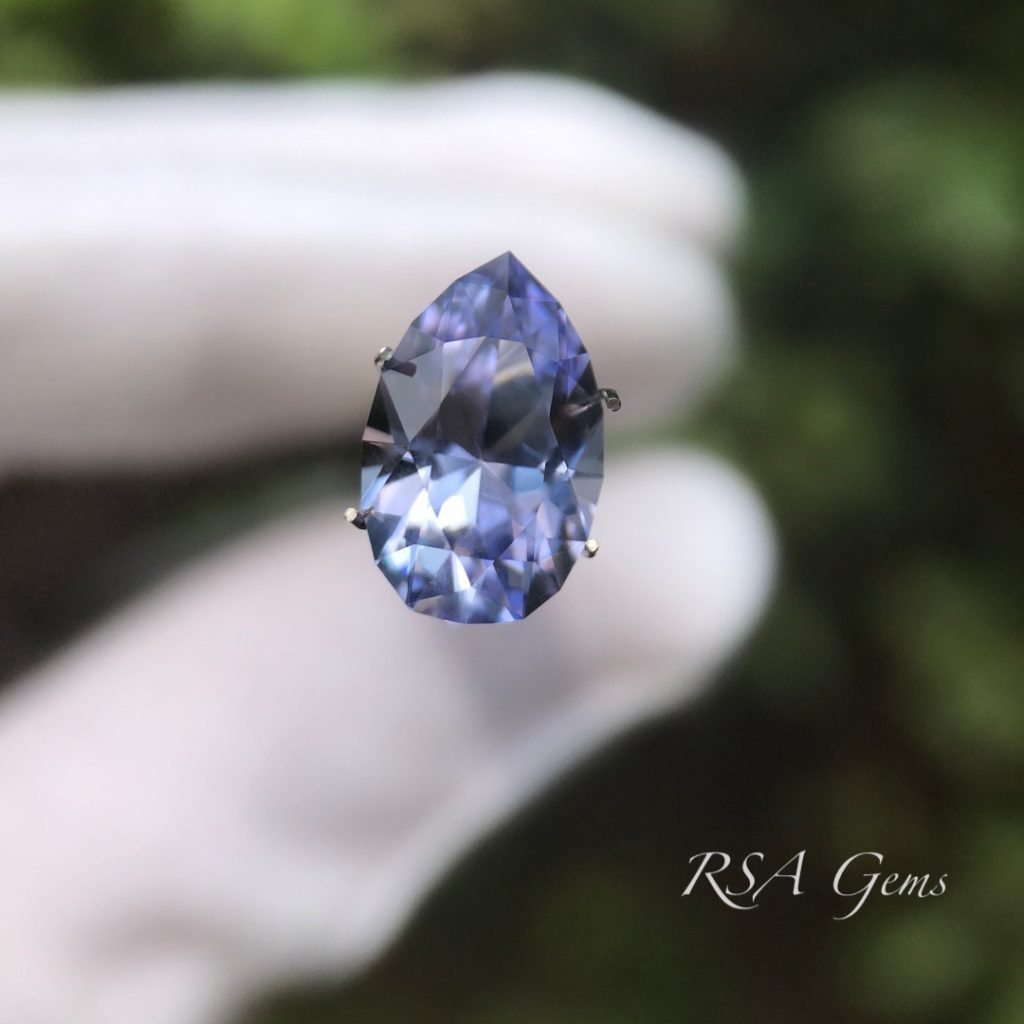
Paler, more lavender stones — attractive and budget-friendly, common in smaller sizes.

$50 – $200 /ct
Valuation

What drives a tanzanite's value

Six main criteria determine the price per carat. It is their combination that sets the final value.

🎨

Color

The key factor: a deep, vivid violetish-blue is most prized. Pleochroism means the stone shows blue and violet from different angles; cutters orient for the best face-up color.

🌍

Origin

Tanzanite comes from a single small area (Merelani, Tanzania), so "origin" is fixed — its rarity comes from this limited source.

🔥

Treatment

Nearly all tanzanite is gently heated to turn brownish rough into blue-violet; this is standard, stable and expected.

🔍

Clarity & cut

Eye-clean is the norm and expected; visible inclusions lower value more than in included gems like emerald.

⚖️

Weight (carat)

Color deepens with size, so large stones are both rarer and richer in color — and priced accordingly.

📜

Certificate

A report from a recognized lab (GIA, SSEF, Gübelin, GRS, AGL) confirms identity, origin and treatment, securing the valuation and resale.

Depth of blue-violet
The decisive factor

Depth of blue-violet

The richest, most saturated violetish-blue stones top the market; pale stones are far cheaper.

Because color strengthens with size, the best color is usually found in larger tanzanites.

Vivid blue-violetPleochroicColor with size
Single source

Rarer than diamond

Found only near Kilimanjaro, tanzanite has a finite supply that some expect to be depleted within decades.

Standard gentle heating produces the blue-violet color and is fully accepted by the market.

One source on EarthHeated = standardFinite supply
Provenance

Famous origins & impact on price

Geographic origin can be a strong prestige marker that weighs on value.

🇹🇿 Tanzania (Merelani)

The world's only source, near Mount Kilimanjaro.

Single source
Investment

Tanzanite value over time

Illustrative price index (2010 = 100) for fine, certified stones.

A finite-supply story

Tanzanite's single, limited source underpins long-term interest, though it remains more affordable than the classic "big three".

Top vivid-blue stones in larger sizes are the most sought after.

+75%fine tanzanite index, 2010–2025
3.8%avg. annual appreciation*

Illustrative figures for fine, certified stones — not financial advice.

10512815017320102014201820222025
Fine tanzanite price index (2010 = 100)
Benchmarks

Indicative price ranges

Orders of magnitude for a faceted tanzanite — top vivid-blue stones in large sizes sit at the upper end.

Quality
Origin / treatment
Indicative price / carat
Commercial
Light/lavender, heated
$100 – $250
Good
Blue-violet, heated
$250 – $600
Very fine
Vivid blue, larger
$700 – $1,500
Exceptional
Top vivid blue, large
$1,500 – $2,500+

Indicative estimates — they do not replace a laboratory appraisal.

Value your tanzanite in under a minute

Enter color, weight, treatment and origin: our estimator computes an instant price range, then generates a detailed report.

💎 Start free valuation →
FAQ

Frequently asked questions — Tanzanite

How much is a tanzanite worth per carat?
From about $100/carat for pale stones to over $1,500/carat for a vivid, deep blue-violet in a larger size.
Where does tanzanite come from?
From a single small area, Merelani near Mount Kilimanjaro in Tanzania — the only commercial source in the world.
Is tanzanite heated?
Yes, almost all tanzanite is gently heated to turn brownish rough into its blue-violet color. This is standard and accepted.
Is tanzanite a good investment?
Its single, finite source supports long-term interest, but it is softer and more affordable than ruby, sapphire or emerald, so manage expectations.
How do I value my tanzanite for free?
Use the GemValue Pro online estimator: enter color, weight and clarity for an instant range and a detailed report.

Other gemstones