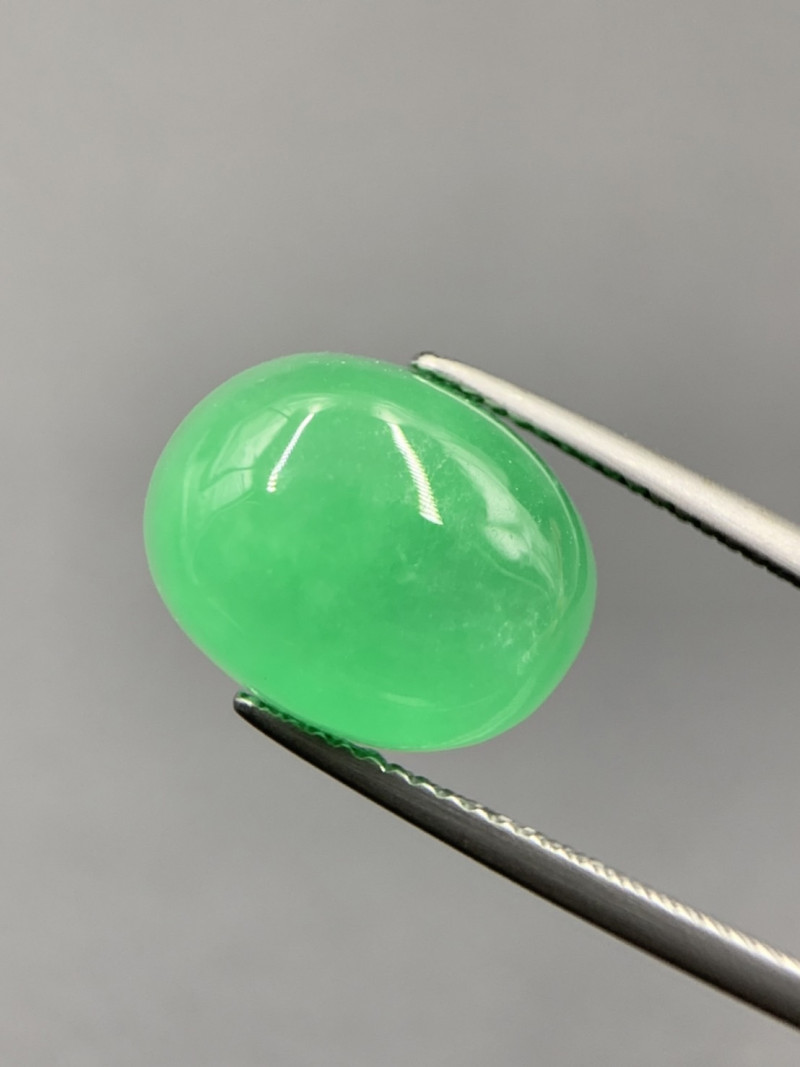
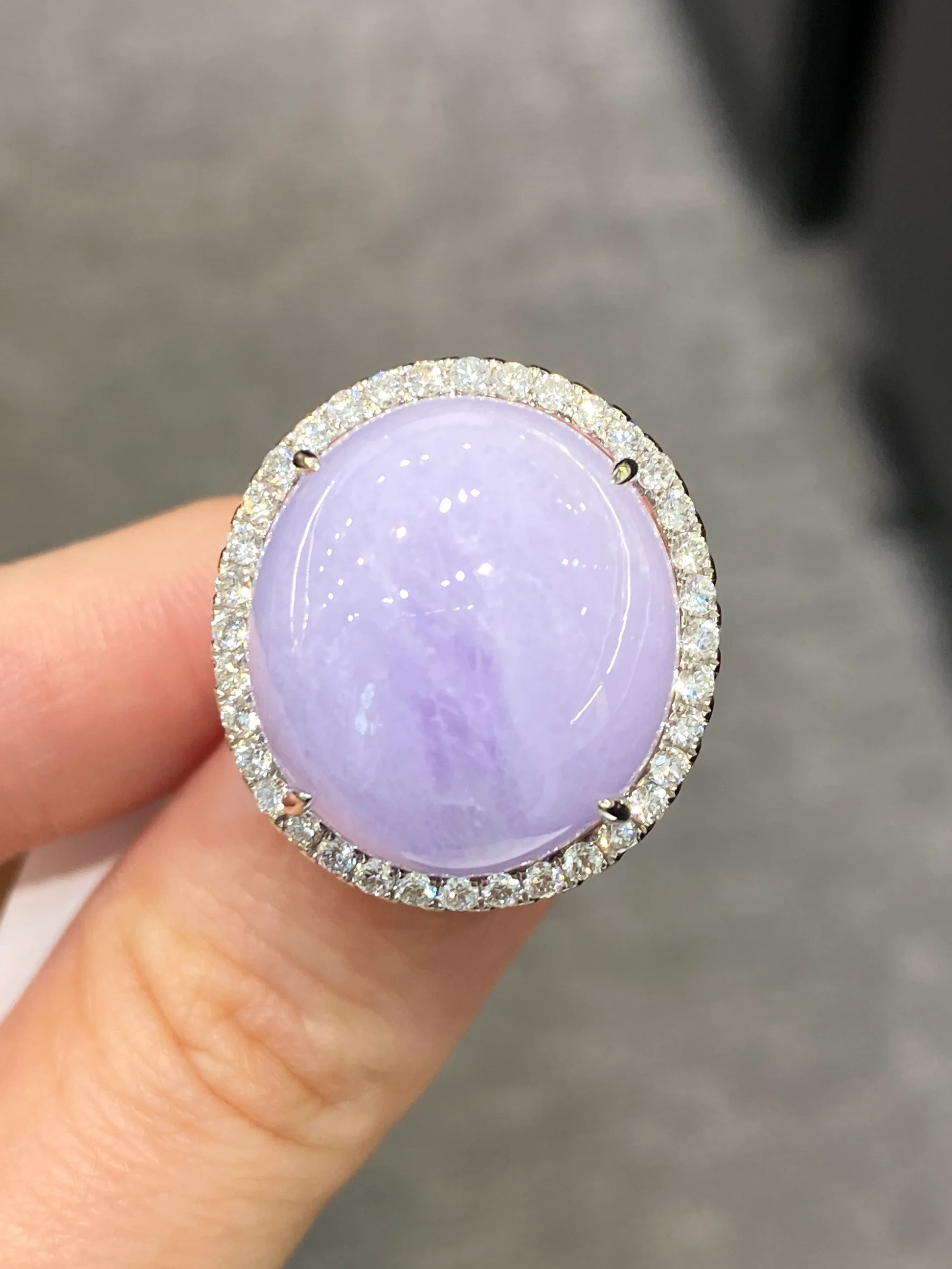
Jade is two minerals — jadeite and nephrite. Top "Imperial" jadeite is among the most valuable gem materials on Earth, while treated jade can be nearly worthless.
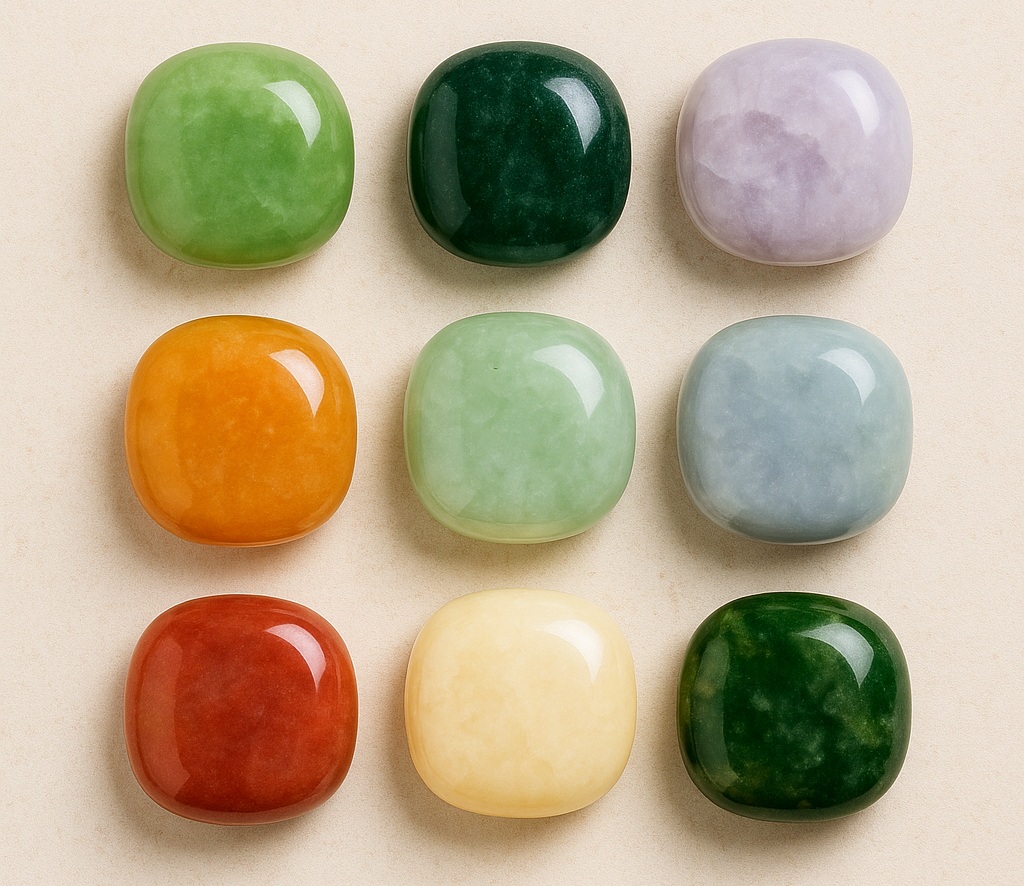
Jade value hinges on the type (jadeite vs nephrite), color, translucency, and crucially its treatment grade (A, B or C).

An intense, even emerald-green with high translucency, from Burma. The pinnacle of jade value, reaching millions for fine pieces.

A soft purple jadeite; fine even lavender is rare and highly prized.
The traditional jade of China and New Zealand; tough, often spinach-green, generally more affordable.
Six main criteria determine the price per carat. It is their combination that sets the final value.
For jadeite, an intense, pure, even green ("Imperial") tops the market; lavender and icy white follow. Even color distribution is essential.
Myanmar (Burma) is the source of nearly all gem jadeite; nephrite comes from China, Russia, Canada and New Zealand.
Critical: Type A is untreated (valuable); Type B is bleached and polymer-impregnated; Type C is dyed. B and C are worth a fraction — always require a lab grade.
Judged on translucency and texture ("water") rather than facet clarity; fine, even, glassy texture is most prized.
Often sold by piece, not carat; size, color and translucency together set the price.
A lab report stating Type A (natural) versus B/C (treated) is essential — it can change the value many times over.

The most valuable jadeite is an intense, even, pure green with glassy translucency — the "Imperial" standard.
Texture and the way light passes through ("water") matter as much as the hue itself.
Type A jade is natural and untreated; Type B is acid-bleached and resin-filled; Type C is dyed. Only Type A holds real value.
Because treatments are hard to see, a lab certificate is essential before any significant purchase.
Geographic origin can be a strong prestige marker that weighs on value.
Source of nearly all fine gem jadeite, including Imperial.
Very high priceJadeite, including rare blue-green varieties.
Mid pricePrized white nephrite ("mutton-fat").
Mid priceFine nephrite jade.
AccessibleTraditional nephrite (pounamu).
CulturalMajor nephrite producer.
AccessibleIllustrative price index (2010 = 100) for fine, certified stones.
Fine untreated (Type A) Imperial jadeite has appreciated strongly, driven by Asian demand and scarcity.
Treated B/C jade has little to no investment value — certification is decisive.
Illustrative figures for fine, certified stones — not financial advice.
Orders of magnitude — fine Type A jadeite is often sold per piece and can far exceed these figures.
Indicative estimates — they do not replace a laboratory appraisal.
Enter color, weight, treatment and origin: our estimator computes an instant price range, then generates a detailed report.
💎 Start free valuation →